


Magfic - Good Reading BookTok
4.41.49K Reviews
App Specs
- Version
- 4.6.2
- Updated On
- License
- Free
- Downloads
- 100,000+
- Developer
- BUU MOBILE LIMITED
- Categories
- Books & Reference
- Platform
- Android
Screenshots






 Analysis by AppCompare
I would also think about the moment and place where each person is likely to read. Magfic is most appealing when someone wants to settle into a story for a few minutes, rather than when several people need to look up different kinds of information at once. In a household, that makes it easier to treat the app as one reader’s leisure time, then pass the device along when they are finished. A little coordination helps keep an enjoyable private habit from turning into confusion over whose story is open.
Separate reading habits from device sharing
One useful way to try a shared device is to make the first session a guided browse rather than leaving the next person to explore an unfamiliar account. The reader can decide whether the story categories feel right, note a title they want to return to, and then hand the device back. This gives everyone a chance to judge the app’s particular fiction focus without implying that the installation is a shared library or that one person’s choices should define recommendations for the rest of the household.
I would also make a distinction between sharing a recommendation and sharing access. Telling a family member about a story you enjoyed is low commitment; letting them use the same session can bring account and purchase decisions into the picture. If the household wants to discuss books together, each person can read independently and compare reactions afterward. That works better than expecting a single device to function as a coordinated club space.
I can see the appeal of Magfic in a shared home: one person wants a supernatural romance before bed, another is curious about a fantasy serial, and a third would rather not have either recommendation taking over their reading time. This is a book-and-reference app from BUU MOBILE LIMITED, but its strongest fit is for readers who enjoy serialized fiction and want a dedicated place to dip into it. I would treat it as a personal reading app, though, rather than a household library designed for several people to manage together.
Reading side by side without sharing a reading identity
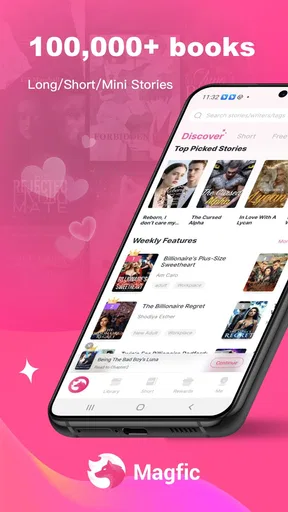
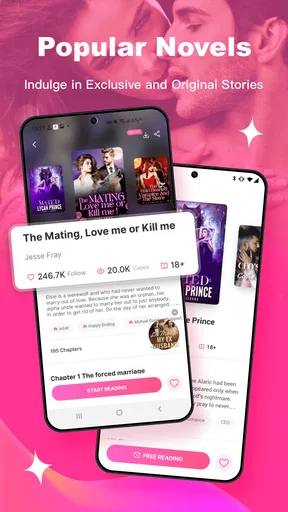
Magfic’s focus is fiction, especially stories built around romance, werewolves, fantasy and alpha characters. That gives it a more specific feel than a general ebook reader, where you might bring your own files or browse a broad mix of reference works and novels. If everyone at home likes dramatic, genre-led storytelling, it can be easy to take turns browsing or recommend a story to one another. If tastes diverge, the app is better approached as each reader’s own corner than as a common family shelf.
That distinction matters on a shared phone or tablet. A reading app can hold a person’s place, interests and purchase choices close to their everyday device use, so I would avoid treating one installation as a neutral communal account. Before another person starts reading, agree on whose profile or session they are using and whether purchases are off-limits. That simple conversation is more useful than assuming an app intended for personal reading will automatically keep household activity neatly separated.
For a realistic routine, imagine someone reading a chapter during a commute, then opening the same device at home for a few minutes before sleep. A partner may want to browse a different kind of story in between. The low-friction approach is to take turns only when the device is free and keep clear track of who is reading and who is making any spending decision. If that sounds cumbersome, separate devices or a less personalized reading option may suit the household better.
Worth Reading Before You Choose

Flipboard Shows What News Apps Must Do Beyond the Feed

Switching to Android Auto Means Rethinking Your Driving Routine

Google Calendar Makes a Crowded Week Easier to Manage

Ludo King Makes the Most of the Minutes Between Plans

Baby Panda World Brings Quick Play to Modern Phones, but Its Game Library Feels Busy

ESPN’s Live Game View Makes Following Close Games Easier
Make the first session fit the reader
I would begin by browsing with a specific mood in mind rather than trying to find a book that pleases everyone. Someone drawn to romance may want emotional tension; a fantasy reader may care more about an imagined world; and werewolf or alpha fiction has its own familiar conventions. Choosing by taste helps the app’s genre focus work in your favor and makes it easier to decide whether the available stories are the kind you want to keep returning to.
A practical tip for shared-device use is to agree on a handoff routine: finish reading, leave the device in a neutral place, and tell the next person whether you are done or just taking a break. This is not a special Magfic feature; it is a small household habit that prevents one reader from accidentally continuing another’s story or browsing through their choices. For personal use, it also helps to stop at a chapter break so the next session feels intentional rather than like a scramble to remember what happened.
The app is free to install, but it includes in-app purchases, with individual items ranging from under a dollar to just under two hundred dollars. That wide span makes it especially important to check the amount shown before confirming anything. I would not hand a shared device to a child or another household member on the assumption that “free” means every reading choice is free. Treat any purchase prompt as a decision for the account holder, and make that boundary clear before browsing.
Coordination works best with simple expectations
Magfic may be a convenient discovery stop for readers who want a steady stream of genre fiction, but a household should not confuse access to the same app with a shared reading plan. If two people follow different stories, they can coordinate informally by telling each other what they are reading or by taking turns on the device. If they want a carefully organized joint book club, a conventional ebook library or a reading service built around shared lists may be a better fit.
One non-obvious trade-off is that a shared device can blur the line between casual browsing and spending. A person who only means to sample a story may encounter a paid option along the way. I recommend agreeing on a rule before the first session: no purchase without the account holder’s approval. That rule is useful even when only adults use the device, because it separates a reader’s enthusiasm from a household’s budget.
Another helpful habit is to keep recommendations conversational rather than relying on the app to serve as everyone’s shared discovery system. If one reader finds a story they love, they can mention its premise and why it worked for them. That gives the next person a meaningful starting point without assuming their interests will match. It also makes a better comparison with a general ebook service: Magfic’s appeal is its genre-oriented reading environment, while broader catalogs often work better when a household wants varied subjects, formats or reading tastes under one roof.
Age context and trust deserve attention
The content rating is Mature 17+, so I would not treat Magfic as an app for younger children simply because it is a reading app. Its emphasis on romance and supernatural themes is likely to appeal to older teens and adults, but the age label should guide household decisions rather than being ignored in favor of a quick download. If a younger person shares the device, keep the age context in mind before letting them browse independently.
For adults, the same rating is a useful reminder to choose stories according to personal comfort. Genre labels can hint at the kind of fiction someone enjoys, but they do not guarantee that every story will suit every reader. I would sample cautiously, especially if you are sensitive to intense romantic dynamics or darker supernatural material, and stop if a story is not a good match. That is ordinary reading judgment, not a reason to assume that every title has the same tone.
Trust also means being realistic about what the app is for. I would use Magfic for leisure reading, not as a reference source for schoolwork, professional research or factual questions. Its place in Books & Reference may make it appear alongside more practical reading tools, but the experience here is centered on novels and stories. Someone seeking citation-friendly sources, public-domain classics or a broad nonfiction collection will probably be happier with a library app or a general ebook reader.
What the catalog focus means in everyday use
The main advantage of a specialized fiction app is that you spend less time explaining what kind of reading you are after. Readers who specifically enjoy romance, fantasy, werewolf stories or alpha-themed plots have a clear reason to try it. The compromise is equally clear: that focus may feel narrow if your reading changes from day to day or if you want nonfiction, reference material and novels all in one place.
For a quick evening session, I would browse when I have enough time to judge a story’s premise rather than choosing the first appealing cover in a hurry. A few minutes spent checking whether the setup matches my mood can save me from starting something I do not actually want to continue. This is especially useful with serial-style reading, where a compelling opening is only valuable if I am interested in following the story further.
Magfic is also not the obvious choice for a reader who values owning and organizing a personal collection above discovering genre fiction. A traditional ebook app may offer a more familiar home for books obtained elsewhere, while a library service can be preferable when borrowing is the priority. Magfic makes most sense when the reader wants the app itself to be a destination for this particular kind of storytelling, rather than simply a shelf for books they already have.
Cost, compatibility and what to expect
Magfic is free to download and has an average rating of 4.4 from around 39,000 ratings, with over 100,000 installs. Those figures suggest that it has found an audience, but they cannot tell you whether its genres or payment approach will suit your reading habits. I would use them as context, not as a substitute for checking the app yourself.
The current version is 4.6.2, and it runs on Android 6.0 or later. If you are setting it up on an older household device, check the operating system before planning a shared reading routine. The app was released on April 25, 2022, so it is not a brand-new arrival, but the version number alone is not a promise about how any particular device will behave. I would test it on the device you actually plan to use before making it part of a regular routine.
When deciding whether to keep it, I would ask three practical questions: Do I regularly read the genres it emphasizes? Am I comfortable with in-app purchases appearing in a free app? And will I use it mostly on a personal device or share it with others? A yes to the first question and clear answers to the others make a trial more worthwhile. If you want a fully shared family reading space, a catalog spanning many subjects or a strict no-purchase environment, another kind of reading app is likely a better starting point.
My household verdict
I would recommend Magfic to an adult reader who wants romance- and fantasy-leaning fiction close at hand and prefers a focused reading destination to a general-purpose ebook shelf. It can also work in a home where people share recommendations but keep their reading choices and purchases personal. Its genre focus is a genuine strength for the right reader, not a promise that it will cover every household member’s tastes.
I would be more cautious about using it as a communal app on one device. The Mature 17+ rating calls for age-aware choices, and the in-app purchase range makes clear spending boundaries sensible. For families, the best arrangement is to decide who may read, who controls purchases and whether the device is personal or shared before anyone begins browsing. There is no need to turn casual reading into a complicated system, but a little coordination avoids predictable misunderstandings.
Overall, I see Magfic as a niche choice with a clear audience: readers who want story-led entertainment in romance, fantasy and supernatural territory. I would skip it if I were looking for children’s reading, research material, a broad reference library or a shared collection with tightly coordinated access. For the right adult reader, though, the focused selection can make it easier to find a story for a short break or a quiet night in. Its best role is a personal fiction companion, with household use handled through clear age and spending boundaries.
A sensible trial for a new reader
If you are unsure whether the genre mix will hold your attention, I would make the first visit a short test rather than a commitment. Browse with one clear preference in mind, open a story whose premise genuinely interests you, and notice whether you want to continue after the opening. That is a more useful measure than downloading an app because someone else likes its themes. If the style is not for you, a general ebook reader or a library app gives you a broader route to finding your next read.
For someone who already enjoys serialized romance or supernatural fiction, the question is less whether the app covers every reading need and more whether its focused destination suits an existing habit. I would keep it alongside other reading tools only if I had a reason to return to this particular kind of story. Its clearest audience is not every person in a household, but the reader who wants this genre mix readily available for leisure.
My household recommendation is therefore conditional but straightforward: try Magfic on the device of the person who is most interested, keep purchase decisions with the account holder, and let others join through conversation rather than assuming a shared session is ideal. That arrangement respects the app’s narrow appeal and the Mature 17+ context without making ordinary reading needlessly formal. For a fan of romance and fantasy fiction, it can be a worthwhile personal companion; for a shared family shelf, I would choose something broader.
Pros
- Helps readers discover books popular with the BookTok community.
- A focused way to browse recommendations without searching across social media.
- May introduce readers to genres and titles they might otherwise overlook.
- Useful for building a list of books to read next.
- Book-focused discovery makes it easy to explore reading trends.
Cons
- Recommendations may favor viral titles over less-promoted books.
- BookTok trends can change quickly
- so popular picks may feel dated.
- Readers who avoid spoilers should check posts and descriptions carefully.
- The catalog and features may vary by region or app version.
- Frequent trend-driven suggestions may not match every reader’s taste.
FAQs for Magfic - Good Reading BookTok
What is Magfic - Good Reading BookTok?
Magfic - Good Reading BookTok is a mobile reading app centered on digital fiction and stories popular with BookTok-style audiences. It is designed for readers who want to browse romance, fantasy, drama, and other serialized or novel-length fiction on a phone. The available catalog, story descriptions, and reading features may change over time, so check the app listing and in-app details to see whether its current selection suits your tastes.
Is Magfic - Good Reading BookTok free to use?
You can generally download a reading app without paying upfront, but that does not necessarily mean every story or chapter is free. Magfic may offer a mixture of freely accessible content and paid options, such as subscriptions, purchases, or in-app currency, depending on the title and current terms. Before spending money, review the price shown in the app store, the payment screen, and any renewal or cancellation conditions.
How does reading and unlocking chapters work in Magfic?
The app is intended for reading fiction on a mobile device, and some stories may be presented in chapters that you can read progressively. Access rules can differ between titles: a chapter might be available immediately, require waiting, or need to be unlocked through an in-app payment or other app-specific option. Look at the chapter screen and the terms displayed before confirming a purchase, since access methods and costs can change.
Can I read Magfic stories offline?
Offline reading depends on the app’s current features and on whether a particular story or chapter has been downloaded or saved in advance. Do not assume that the full catalog will be available without an internet connection; browsing, account features, and some reading content may require connectivity. If offline access matters to you, check the app’s settings or help information and test a saved chapter before travelling or relying on it away from Wi-Fi.
Is Magfic - Good Reading BookTok suitable for all ages, and what should I check before installing?
The suitability of Magfic depends on the themes and maturity level of individual stories, which can vary across a fiction catalog. Parents and younger readers should review the store’s age rating, the app’s content guidance, and story descriptions before use. Also check the requested permissions, privacy information, device compatibility, and recent user feedback, as these details can help you decide whether the app fits your needs.


